
Safe Exercise During Pregnancy
Current Guidance Update
Weekly Exercise Target
A minimum of 150 minutes per week of moderate-intensity exercise is recommended for women with uncomplicated pregnancies.
Activities to Avoid
Pregnant women should avoid the supine position after 28 weeks, contact sports, and scuba diving due to increased maternal and fetal risks.
Gestational Diabetes Prevention
Regular physical activity during pregnancy reduces the risk of gestational diabetes by approximately 30%.
Preeclampsia Risk Reduction
Maintaining recommended physical activity levels during pregnancy lowers the risk of preeclampsia by approximately 21%.
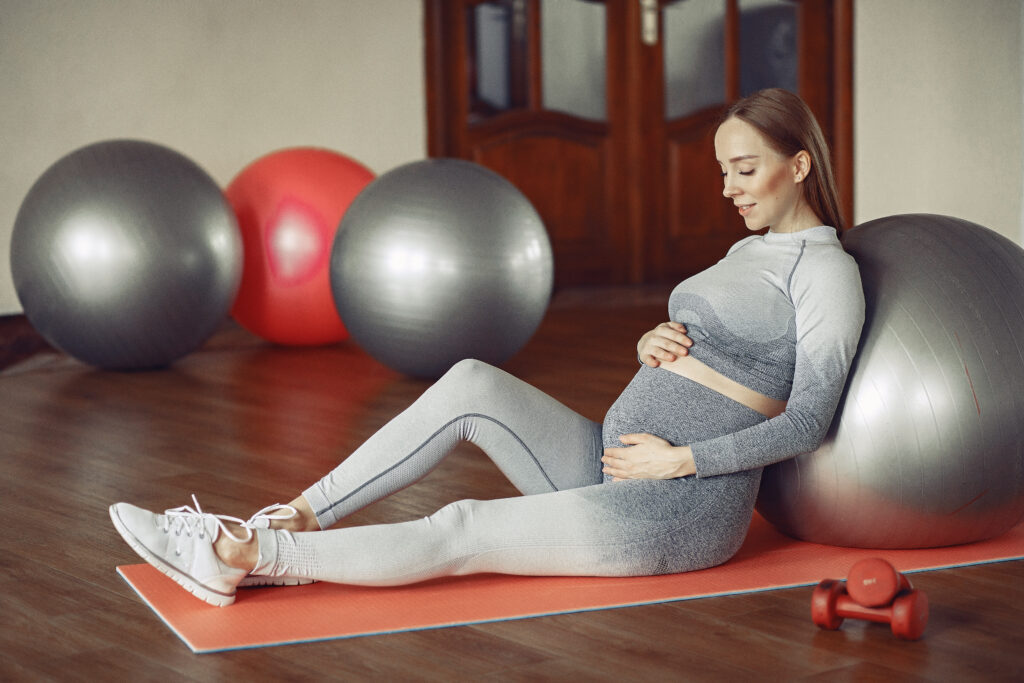
Introduction
Exercise During Pregnancy
Evidence-Based Benefits
Women who maintain regular moderate-intensity exercise experience improved glycaemic control, better cardiovascular fitness, reduced musculoskeletal discomfort, improved mood and sleep, and faster postnatal recovery without increasing preterm birth risk in uncomplicated pregnancies.
How Much Exercise?
ACOG and WHO recommend at least 150 minutes of moderate-intensity aerobic activity per week, spread across at least three days or divided into 30-minute daily sessions.
Safe Activities
Activities to Avoid
Pelvic Floor Exercises
Pelvic floor muscle training should continue throughout pregnancy and postpartum to reduce urinary incontinence and improve recovery from perineal trauma.
Aim for 3 sets of 10 sustained contractions daily.
Warning Signs to Stop Exercise
Frequently Asked Questions
Can I start exercising in pregnancy if I wasn't active before?
Yes, but gradually — begin with 10–15 minutes of walking daily and increase slowly.
Is running safe in pregnancy?
For established runners in uncomplicated pregnancies, running can continue with modifications for comfort as pregnancy advances.
Conclusion
Physical activity in pregnancy is safe, beneficial, and strongly recommended for the majority of women. Individualised guidance from your obstetrician ensures optimal exercise throughout your pregnancy.
Sources & References
This article draws on guidance current at the time of writing from the following bodies and publications:
- ACOG (2020, reaffirmed 2024)
- RCOG (2023)
- WHO (2024)
General reference bodies for women's health guidance:
RCOG
rcog.org.ukACOG
acog.orgFIGO
figo.orgWHO
who.intNICE
nice.org.uk⚠ IMPORTANT DISCLAIMER
This article is provided for general knowledge and reference purposes only. It is not a substitute for professional medical advice, diagnosis, or treatment. No medication, treatment, or change to your healthcare should be undertaken based on this content without first consulting a qualified doctor. Always seek the advice of your physician or another qualified health provider with any questions you may have regarding a medical condition.