
Colposcopy Explained
Current Guidance Update
When Colposcopy Is Needed
Colposcopy is recommended following any abnormal cervical smear or a positive HPV test accompanied by abnormal cytology for further assessment.
Preferred Treatment for CIN2/3
LEEP/LLETZ remains the internationally preferred treatment for cervical intraepithelial neoplasia (CIN2/3), offering effective removal of abnormal tissue while preserving fertility.
HPV Screening Target
The WHO Cervical Cancer Elimination Strategy aims for 70% of women to receive HPV screening by ages 35 and 45 to improve early detection and prevention.
Early Detection Matters
Regular cervical screening and timely colposcopy allow precancerous changes to be identified and treated early, significantly reducing the risk of cervical cancer.
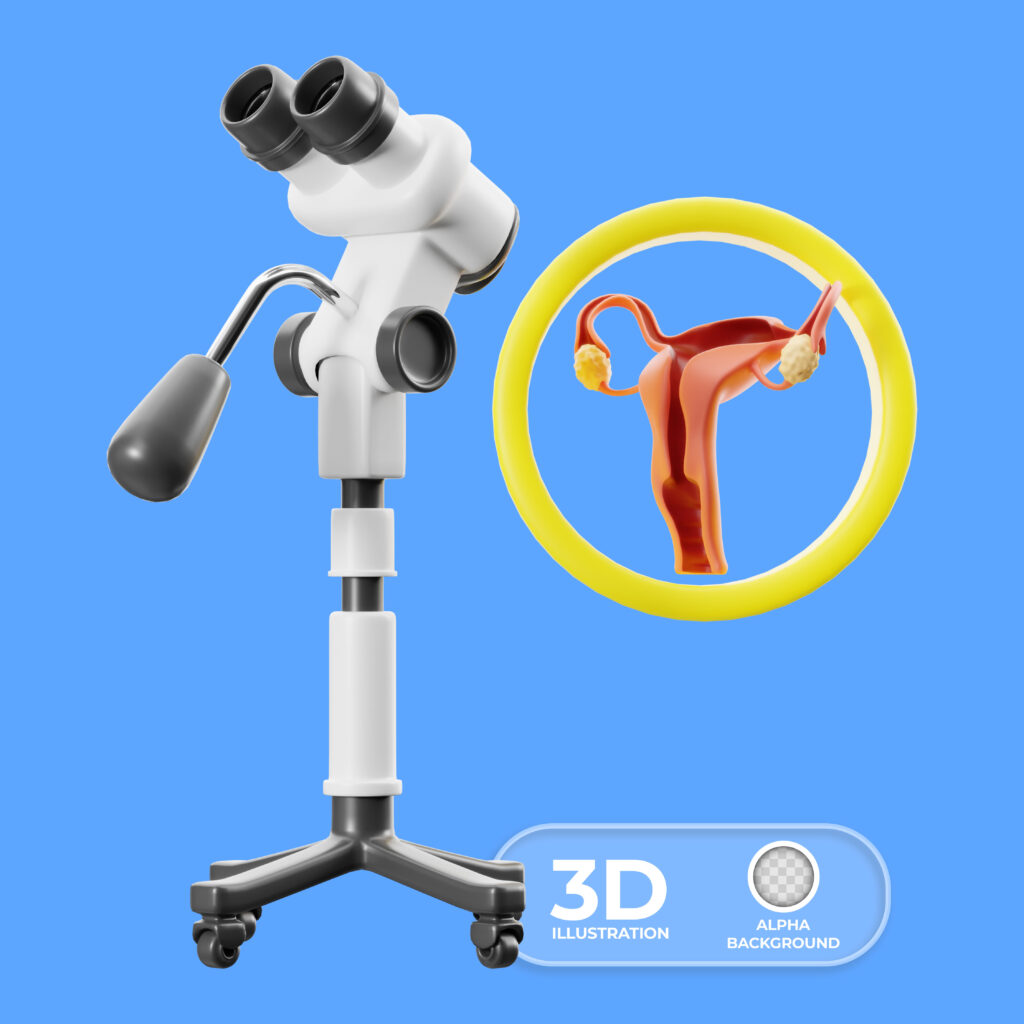
Introduction
Colposcopy: Diagnosis & Treatment Guide
Why Colposcopy Is Performed
- Abnormal cervical smear results
- High-risk HPV with abnormal cytology
- Persistent HPV positivity on repeat testing
- Visible cervical lesion or contact bleeding
- Unexplained postcoital or intermenstrual bleeding
What Happens During Colposcopy
Acetic acid is applied to the cervix, causing abnormal cells to turn acetowhite and become visible. Targeted biopsies are then obtained using small punch forceps and sent for histological examination.
Cervical Abnormality Classification
- CIN1: Mild dysplasia, often resolves spontaneously.
- CIN2: Moderate dysplasia, treatment recommended in most cases.
- CIN3: Severe dysplasia requiring treatment.
- CGIN: Glandular abnormality requiring specialist management.
Treatment Options
- LLETZ – preferred outpatient treatment for CIN2/3.
- Laser ablation – destroys abnormal tissue without specimen retrieval.
- Follow-up "test of cure" at 6 months after treatment.
Colposcopy During Pregnancy
Colposcopy can be performed safely during pregnancy when indicated. Treatment is generally postponed until after delivery unless invasive cervical cancer is suspected, allowing both maternal safety and appropriate fetal care.
Frequently Asked Questions
Does colposcopy hurt?
No more uncomfortable than a cervical smear; the biopsy may cause a brief, sharp sensation.
Does CIN mean I have cervical cancer?
No. CIN is a precancerous change — screening and colposcopy detect and treat these changes before they can progress to cancer.
Conclusion
Colposcopy is an essential step in the cervical cancer prevention pathway, translating an abnormal screening result into accurate diagnosis and effective treatment.
Sources & References
This article draws on guidance current at the time of writing from the following bodies and publications:
- BSCCP/RCOG (2023)
- ACOG (2020, updated 2023)
- WHO (2021 Cervical Cancer Elimination Strategy)
General reference bodies for women's health guidance:
RCOG
rcog.org.ukACOG
acog.orgFIGO
figo.orgWHO
who.intNICE
nice.org.uk⚠ IMPORTANT DISCLAIMER
This article is provided for general knowledge and reference purposes only. It is not a substitute for professional medical advice, diagnosis, or treatment. No medication, treatment, or change to your healthcare should be undertaken based on this content without first consulting a qualified doctor. Always seek the advice of your physician or another qualified health provider with any questions you may have regarding a medical condition.