
When to Visit a Gynecologist
CURRENT GUIDANCE UPDATE
First Gynaecological Visit
The first gynaecological visit is recommended between 13 and 15 years of age to establish preventive care, provide education, and address adolescent health concerns.
Annual Wellness Visits
Annual wellness appointments are recommended for all women of reproductive age and beyond to support preventive screening, reproductive health, and long-term wellbeing.
Timely Access to Care
Prompt access to gynaecological services significantly improves reproductive, pregnancy, and menopausal health outcomes through early diagnosis and appropriate management.
Women's Lifelong Health
Regular gynaecological reviews promote early detection of disease, personalised counselling, and preventive care that supports healthy living throughout every stage of life.
Introduction
When to See a Gynaecologist
Routine Visit Schedule
• First gynaecological consultation between ages 13–15
• Annual wellness visits from the late teens onwards
• Pre-conception consultation when planning pregnancy
• Regular antenatal visits throughout pregnancy
• Postnatal check at 6–8 weeks after delivery
• More frequent reviews approaching and during menopause
Symptoms Requiring Prompt Assessment
• Irregular, heavy, absent, or painful periods
• Abnormal vaginal bleeding
• Pelvic pain or pressure
• Unusual vaginal discharge or odour
• Difficulty conceiving
• New breast lump or change
• Menopausal symptoms affecting quality of life
• Pain during intercourse
Urgent Presentations
• Severe pelvic pain with fever or fainting
• Heavy bleeding causing dizziness or major blood loss
• Positive pregnancy test with severe pain or bleeding suggesting ectopic pregnancy
• Sudden severe headache or visual changes during pregnancy
• Reduced fetal movements during pregnancy
Overcoming Barriers
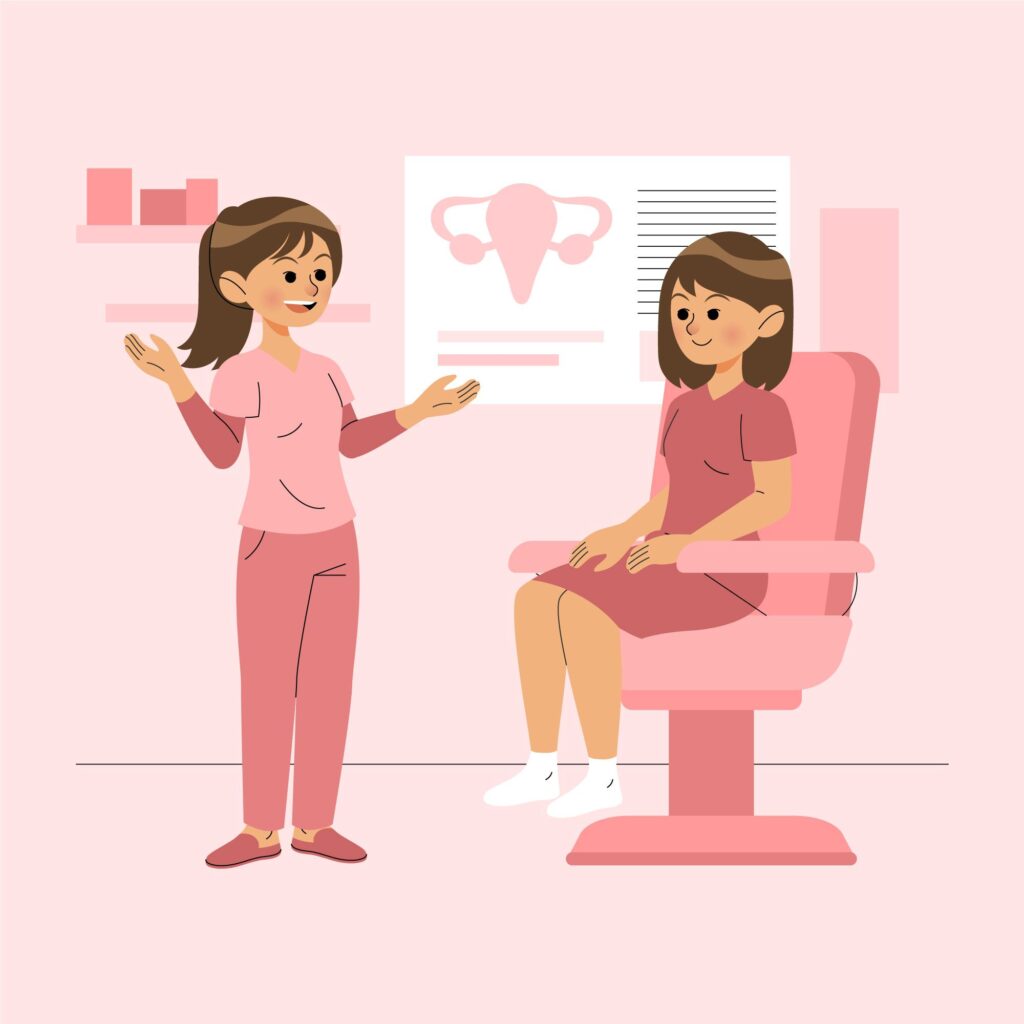
Many women delay care because of embarrassment, fear, busy schedules, or believing symptoms are normal. A trusted and respectful specialist relationship encourages early consultation and timely treatment, improving long-term health outcomes.
Frequently Asked Questions
Is it too late to start seeing a gynaecologist if I haven't been before?
It is never too late. Whether starting at 16 or 60, establishing gynaecological care provides immediate benefits in terms of screening, symptom assessment, and preventive guidance.
What if I'm too embarrassed to discuss my symptoms?
A skilled, compassionate gynaecologist creates an environment where no symptom is too embarrassing to discuss. Open communication, however uncomfortable it may initially feel, is essential for accurate diagnosis and effective treatment.
Conclusion
Understanding when to seek gynaecological care, whether for routine wellness or specific symptoms, empowers women to engage with their health proactively rather than reactively. Dr. Ruby Rashmi welcomes women at every life stage and for every concern, providing the timely, expert care that protects health and wellbeing throughout life.
Sources & References
This article draws on guidance current at the time of writing from the following bodies and publications:
ACOG
2021 GuidelinesRCOG
2024 GuidelinesWHO
2024 Guidelines⚠ IMPORTANT DISCLAIMER
This article is provided for general knowledge and reference purposes only. It is not a substitute for professional medical advice, diagnosis, or treatment. No medication, treatment, or change to your healthcare should be undertaken based on this content without first consulting a qualified doctor. Always seek the advice of your physician or another qualified health provider with any questions you may have regarding a medical condition.