Contraception Options
CURRENT GUIDANCE UPDATE
Long-Acting Reversible Contraception
Long-acting reversible contraceptives (LARCs) are the most effective reversible contraceptive methods, with failure rates of less than 1% per year.
Contraceptive Safety
For healthy women, every approved method of contraception is considered safer than pregnancy, supporting individualized contraceptive choice.
Updated Eligibility Criteria
The 6th Edition of the WHO Medical Eligibility Criteria provides updated recommendations and contraindications for all contraceptive methods.
Personalized Contraceptive Care
Contraceptive selection should consider age, medical history, reproductive goals, lifestyle and patient preference to maximize safety and effectiveness.
Introduction
Contraceptive Methods
Modern contraception offers highly effective options that can be tailored to individual health needs, reproductive goals and personal preferences. Understanding effectiveness, duration and additional health benefits helps women make informed choices.
Contraceptive Hierarchy
- Under 1% failure: Hormonal IUS, Copper IUD, Implant and Sterilisation.
- 2–9% failure: Injectable, Combined Pill, Progestogen-only Pill, Patch and Ring.
- 10–18% failure: Condoms, Diaphragm and Cap.
- 12–24% failure: Fertility awareness methods.
LARC Methods
- Levonorgestrel IUS: Highly effective and also treats heavy bleeding and dysmenorrhoea.
- Copper IUD: Hormone-free protection for 10+ years and effective as emergency contraception.
- Contraceptive Implant: Inserted under the arm skin and provides protection for up to 3 years.
Daily & Monthly Options
- Combined oral contraceptive pill with benefits for acne, PCOS and dysmenorrhoea.
- Progestogen-only pill for women who cannot use oestrogen.
- Injectable contraception with delayed return to fertility after discontinuation.
- Patch and vaginal ring offering combined hormonal contraception with alternative delivery methods.
Hormone-Free Choices
- Copper IUD is the most effective non-hormonal contraceptive.
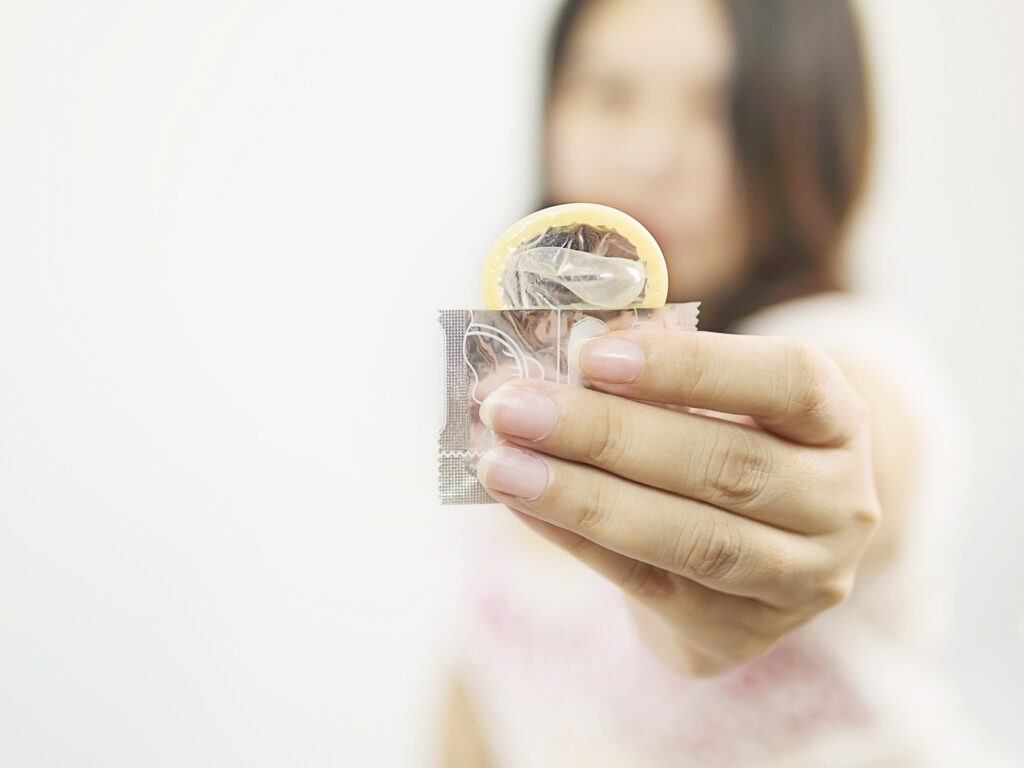
- Male and female condoms provide protection against sexually transmitted infections.
- Diaphragm requires professional fitting and use with spermicide.
Sterilisation Options
Female sterilisation through laparoscopic tubal occlusion is more than 99% effective and should be regarded as permanent. Vasectomy is a simpler male alternative with an even lower failure rate and a shorter recovery period.
Frequently Asked Questions
Which contraceptive method is best?
The best method is the one that suits the individual woman's health, lifestyle, fertility intentions, and preferences. LARC methods offer the highest effectiveness with the lowest dependency on user error.
Will the pill affect my future fertility?
No. Fertility typically returns within 1 to 3 cycles of stopping the combined pill, with no evidence of impaired long-term fertility.
Conclusion
Contraceptive choice is a highly personal decision that benefits from thorough, evidence-based, non-judgemental clinical guidance. Dr. Ruby Rashmi provides comprehensive contraceptive counseling as part of her women's wellness practice.
Sources & References
This article draws on guidance current at the time of writing from the following bodies and publications:
ACOG
2022 Practice BulletinFSRH
2023 UK GuidanceWHO
Medical Eligibility Criteria, 6th Edition (2024)⚠ IMPORTANT DISCLAIMER
This article is provided for general knowledge and reference purposes only. It is not a substitute for professional medical advice, diagnosis, or treatment. No medication, treatment, or change to your healthcare should be undertaken based on this content without first consulting a qualified doctor. Always seek the advice of your physician or another qualified health provider with any questions you may have regarding a medical condition.
Consult Dr. Ruby Rashmi
Specialist Obstetrician & Gynecologist, Dubai